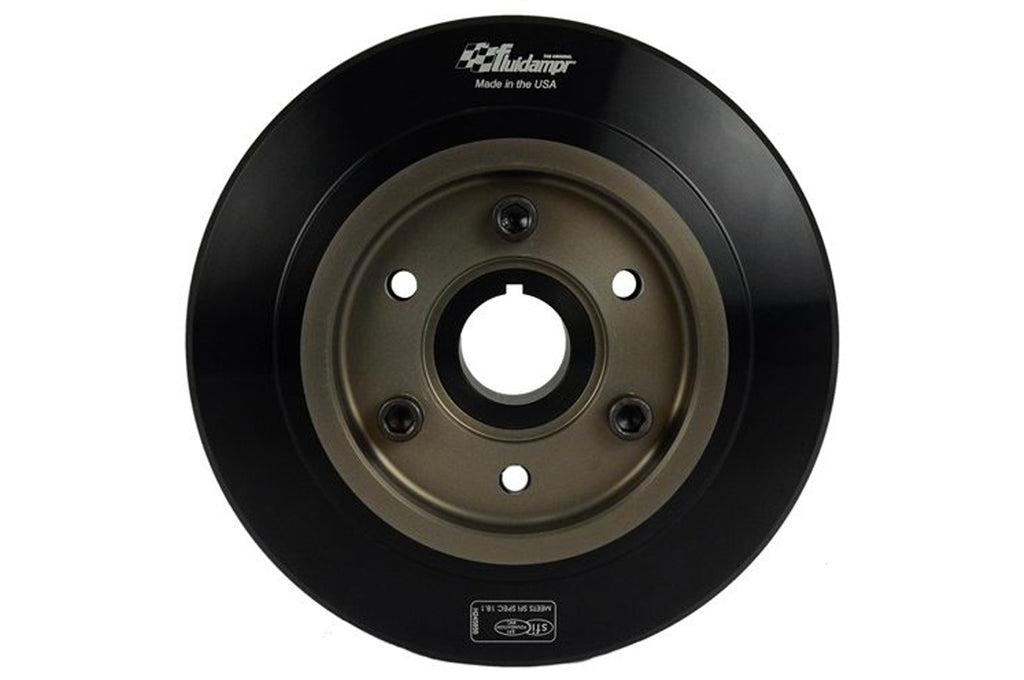
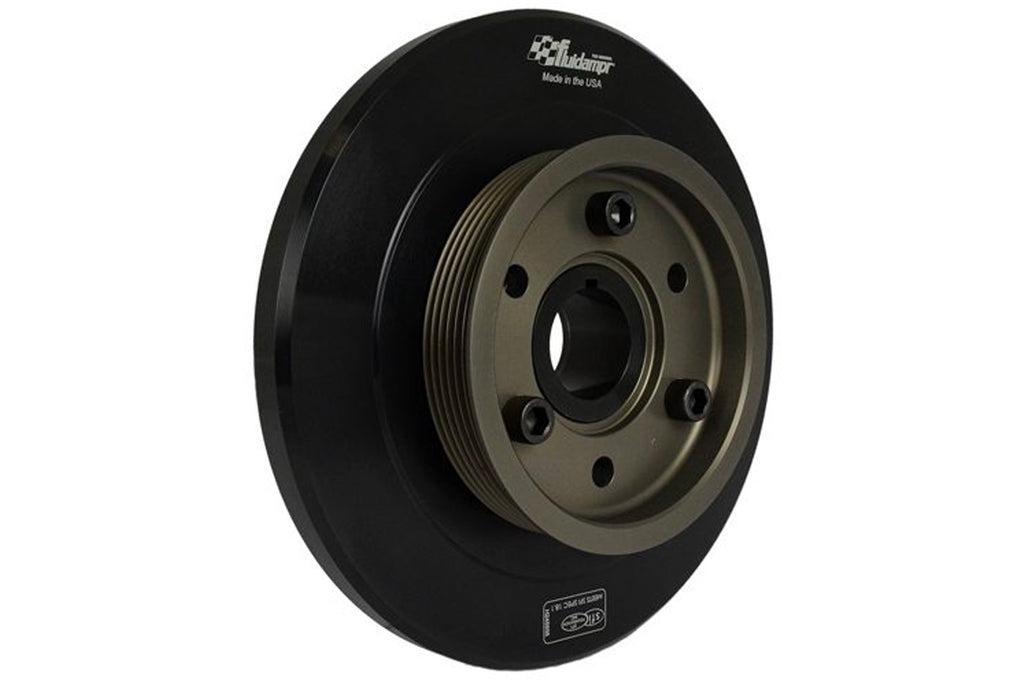
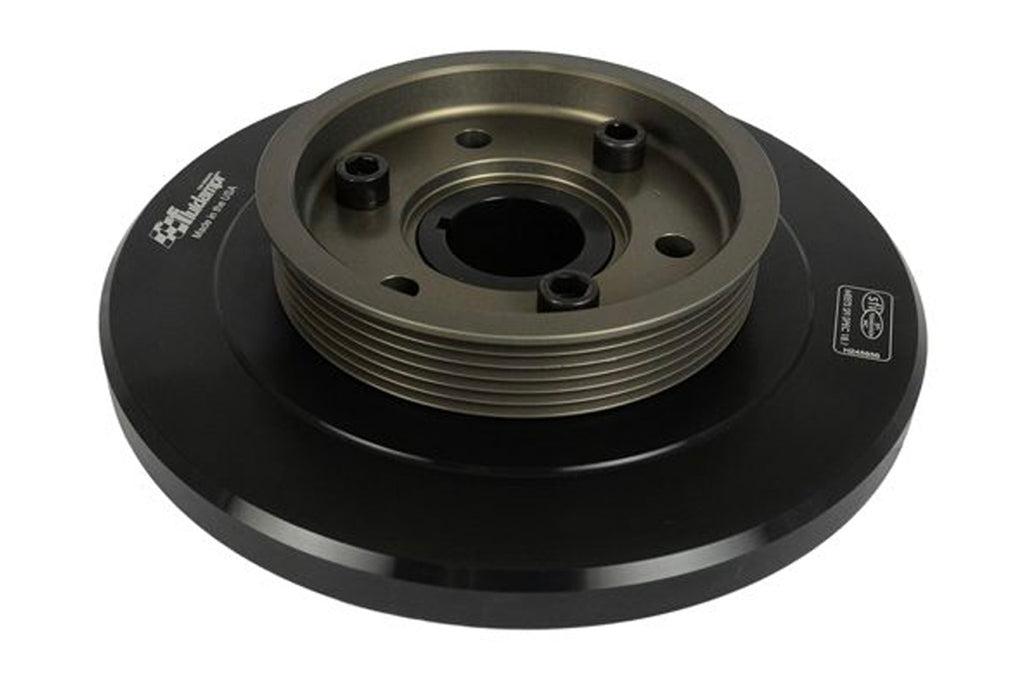
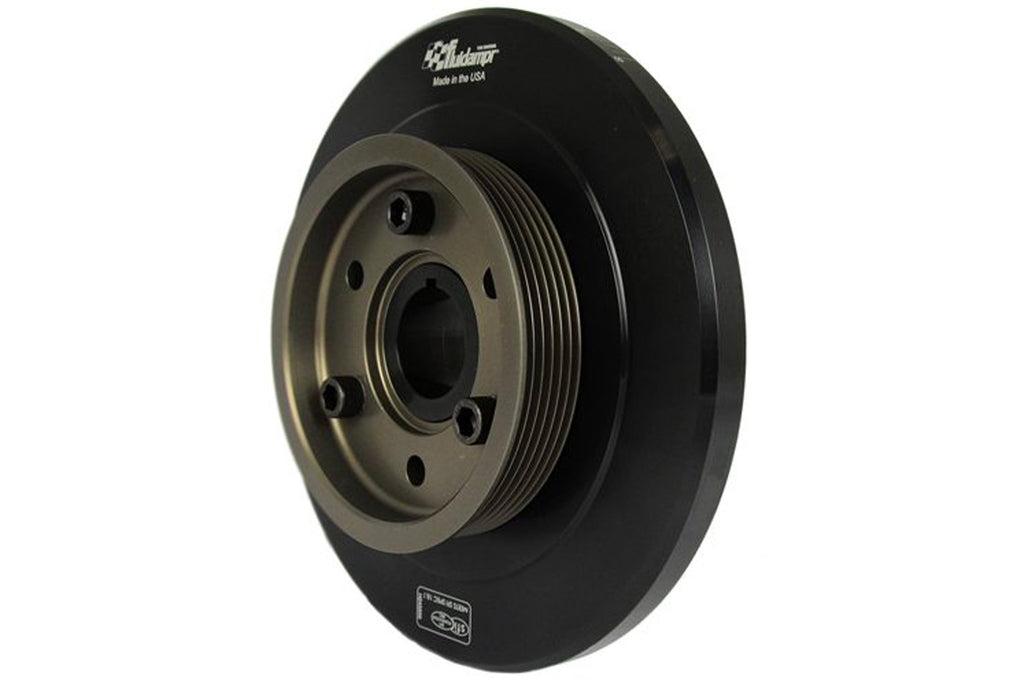
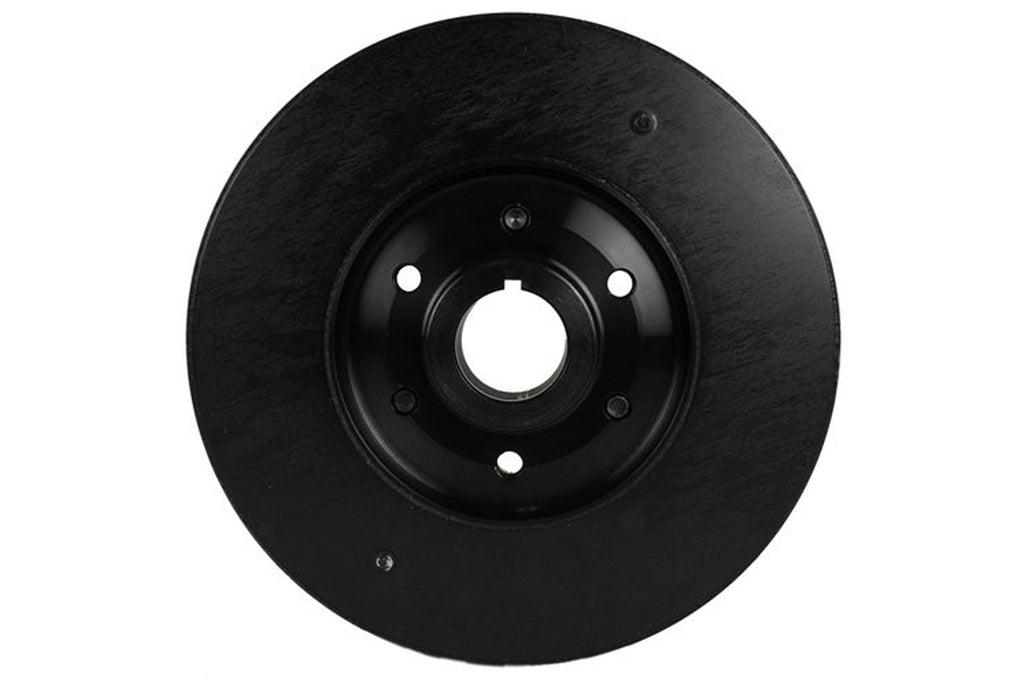
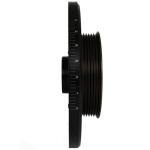
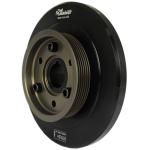
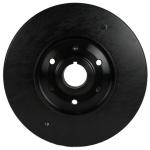
Fluidampr Harmonic Balancer 15% Underdrive Pulley for 2JZ Toyota Supra (840811)
417.61€
Sold By: Baltic Turbo Motors
Protect your engine. Modifications can compromise your stock harmonic balancer. Install a Fluidampr
SKU: FLU-840811
Categories: Performance Parts
Share:
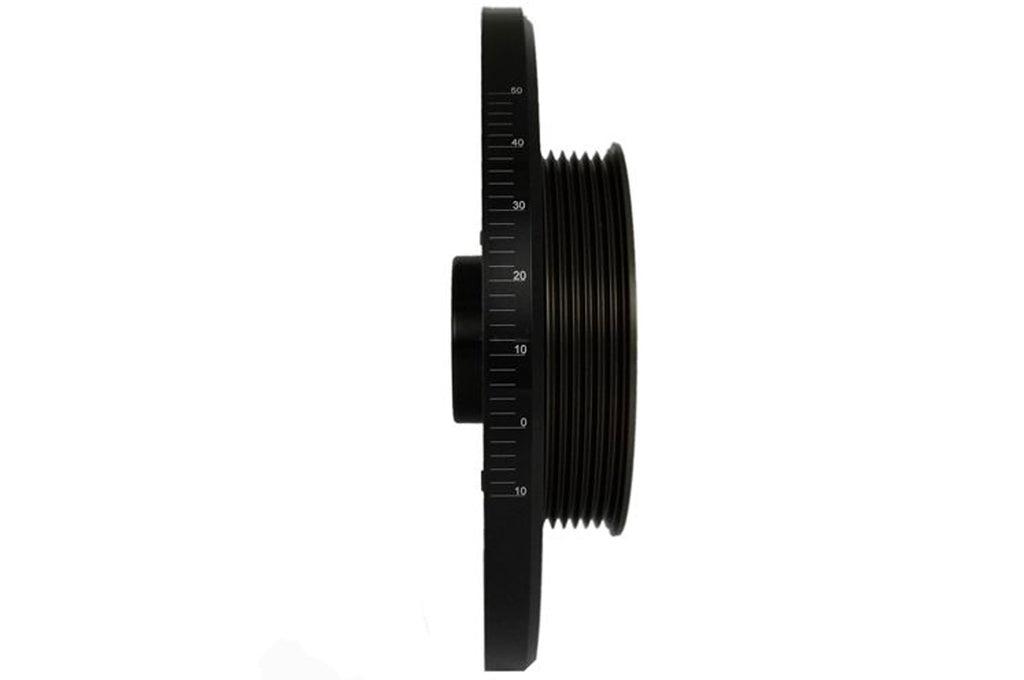
Protect your engine. Modifications can compromise your stock harmonic balancer. Install a Fluidampr performance damper early for best durability. Superior viscous damper design controls harmful torsional vibration across the entire rpm range. Reduce wear on engine components. Reduce risk of crankshaft failure. Improve timing. Unleash lost torque and horsepower. Precision CNC machined and balanced high-grade steel components. Corrosion resistant black zinc finish with engraved timing marks. No maintenance required. Trusted by leading engine builders worldwide. Made in USA.
NOTE: 15% underdrive pulley for high rpm applications.
Vehicle Fitment:
1987-1998 Toyota Supra
1992-2000 Lexus SC 300
1993-2005 GS300
2001-2005 IS300
(1JZ / 2JZ I6. Underdrive Pulley)
More Info:
Fluidampr Engine Dampers are designed to control destructive vibrations which are transferred through the crankshaft.
Each time the air/fuel mixture inside a cylinder is ignited, the combustion that occurs creates a torque spike that is applied to the crankshaft through the piston and rod. This torque spike is so severe that it not only turns the crankshaft, it actually twists the crankshaft ahead of its normal rotation and then the crankshaft rebounds. This twisting action is known as torsional vibration. When these torque spikes and forces get into phase with the natural frequency, critical torsional harmonic vibrations occur and can be seriously destructive to the bearings and the crankshaft. Dampers are designed to control those destructive vibrations.
Critical harmonic vibrations occur numerous times in a engine’s operating range. Stock rubber and elastomer-type dampers are frequency sensitive “tuned absorbers”, and work at only one critical frequency. In the case of a stock rubber damper, it is tuned for a factory engine’s critical harmonic vibrations. If you change the mass of pistons, rods, or the crankshaft, you change the natural frequency of the crankshaft assembly, therefore, the stock damper is no longer tuned to the new frequency of vibration, and you may be headed for early failure of expensive engine components. Dampers also create heat while they work, and rubber is a poor dissipator of heat. This heat and the exposure to the elements deteriorates rubber, causing it to crack and change durometer, which then leads to inertia ring slippage, damper failure, uncontrolled torsional vibration, and costly engine parts breakage.
NOTE: 15% underdrive pulley for high rpm applications.
Vehicle Fitment:
1987-1998 Toyota Supra
1992-2000 Lexus SC 300
1993-2005 GS300
2001-2005 IS300
(1JZ / 2JZ I6. Underdrive Pulley)
| Part Number: | 840811 |
| Belt Drive Type: | Serpentine |
| Degree Marking Range: | -10 to 50 degrees at 2 degree increments. 180 BDC. |
| Engine Balance: | Internal |
| Outside Diamter: | 8-1/2' |
| Bore Diameter: | 1.3783' |
| Length: | 2.100' |
| Weight: | 9.0 pounds |
| Rotating Weight: | 5.9 pounds |
| Finish: | Black Zinc, Hard Coat Anodized Pulley |
| Marerial: | Steel, Aluminum Pulley |
| Safety Rating: | SFI 18.1 |
More Info:
Fluidampr Engine Dampers are designed to control destructive vibrations which are transferred through the crankshaft.
Each time the air/fuel mixture inside a cylinder is ignited, the combustion that occurs creates a torque spike that is applied to the crankshaft through the piston and rod. This torque spike is so severe that it not only turns the crankshaft, it actually twists the crankshaft ahead of its normal rotation and then the crankshaft rebounds. This twisting action is known as torsional vibration. When these torque spikes and forces get into phase with the natural frequency, critical torsional harmonic vibrations occur and can be seriously destructive to the bearings and the crankshaft. Dampers are designed to control those destructive vibrations.
Critical harmonic vibrations occur numerous times in a engine’s operating range. Stock rubber and elastomer-type dampers are frequency sensitive “tuned absorbers”, and work at only one critical frequency. In the case of a stock rubber damper, it is tuned for a factory engine’s critical harmonic vibrations. If you change the mass of pistons, rods, or the crankshaft, you change the natural frequency of the crankshaft assembly, therefore, the stock damper is no longer tuned to the new frequency of vibration, and you may be headed for early failure of expensive engine components. Dampers also create heat while they work, and rubber is a poor dissipator of heat. This heat and the exposure to the elements deteriorates rubber, causing it to crack and change durometer, which then leads to inertia ring slippage, damper failure, uncontrolled torsional vibration, and costly engine parts breakage.
Add your review
Your email address will not be published. Required fields are marked *
Please login to write review!
Looks like there are no reviews yet.