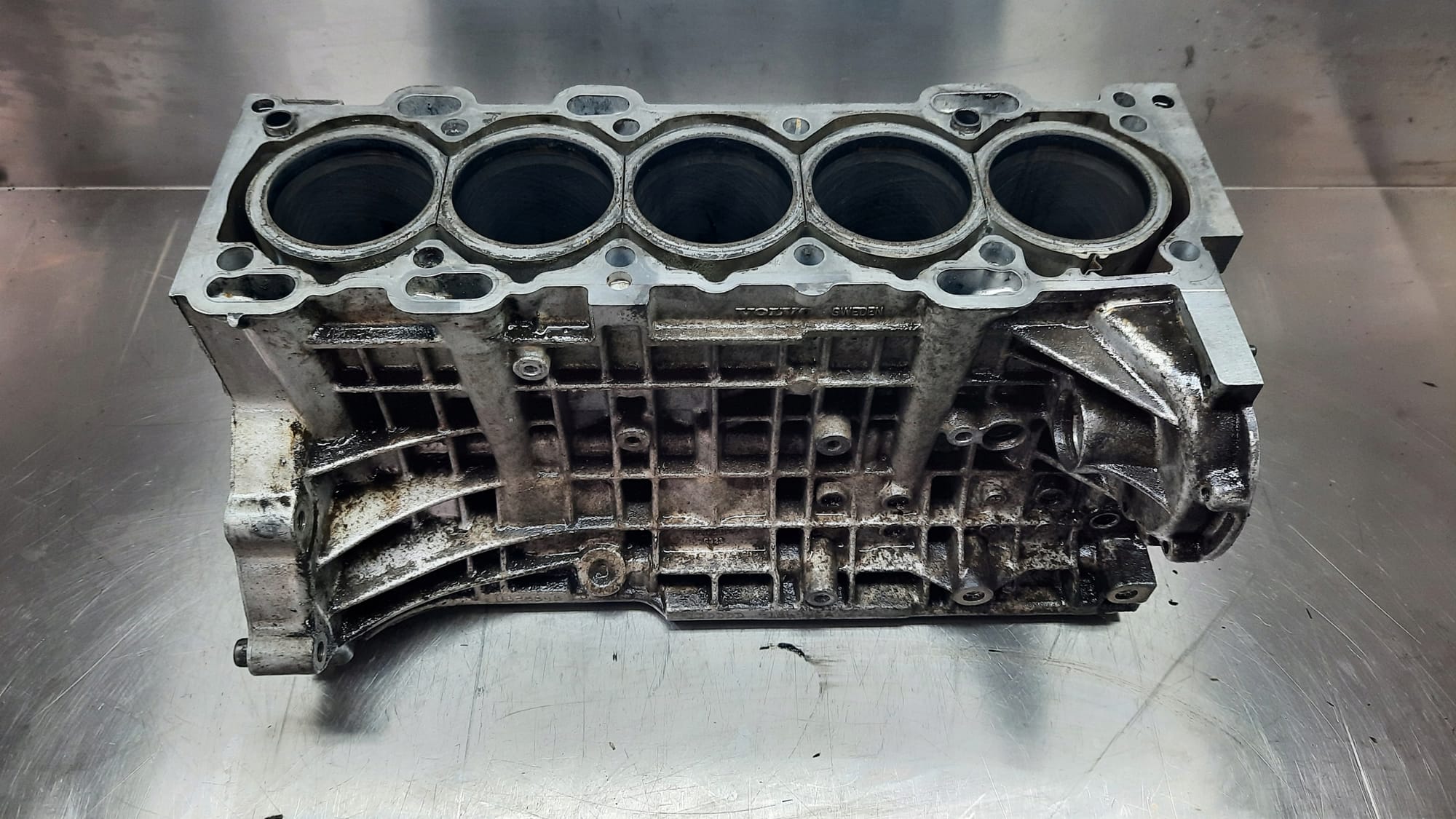
Volvo’s 2.4-litre five-cylinder D5 diesel has earned a strong reputation over the years because it combines solid torque, good long-distance economy and a distinctive character that many owners still prefer over newer downsized diesels. The D5 family was used across multiple Volvo passenger cars and evolved through many engine-code versions, including D5244T, D5244T2, D5244T3, D5244T4, D5244T5, D5244T7, D5244T8, D5244T10, D5244T11, D5244T13, D5244T14, D5244T15, D5244T16, D5244T17, D5244T18, D5244T20, D5244T21 and D5244T22. These engines appeared in models such as the Volvo S60, S80, V70, XC70, XC90, XC60, and in some markets related five-cylinder diesel versions were also used in the C30, S40, V50 and C70. Volvo also publicly highlighted later D5 developments, including more powerful 2.4-litre versions and updated twin-turbo configurations.
 AutoScandi Team
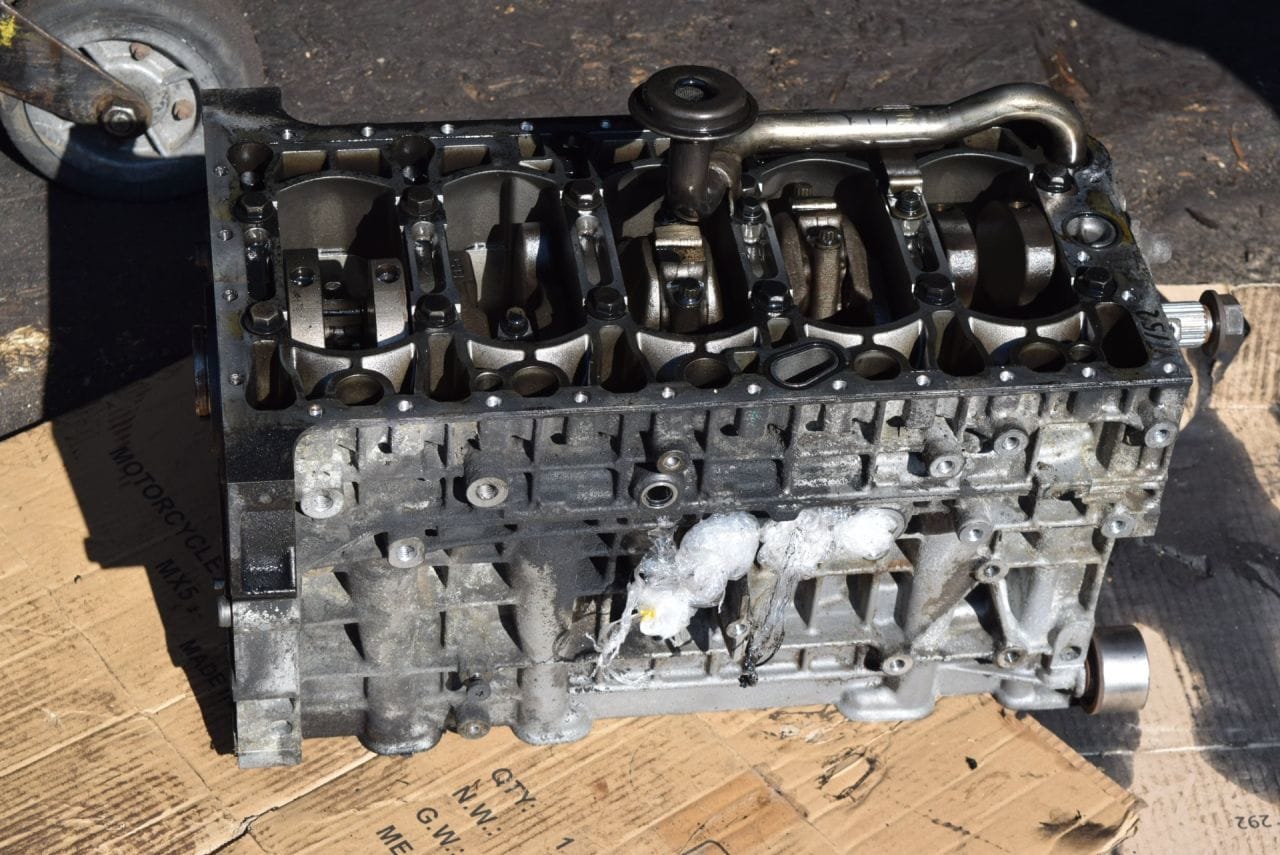
That strong reputation, however, often creates the wrong expectation. Many buyers hear that the D5 2.4 is “bulletproof” and then ignore the early warning signs that actually separate a healthy engine from an expensive rebuild. The truth is more balanced. The Volvo D5 2.4 is not a weak engine by design, but when cooling problems, coolant loss, poor oil quality, oil starvation or repeated overheating are ignored, the results can become very serious. What starts as a thermostat issue, a small coolant leak, a weak cap, a failing pump or an EGR-related cooling fault can eventually turn into a warped or cracked cylinder head, head-gasket failure, liner damage, bearing damage and in the worst cases complete bottom-end failure. Overheating is one of the main mechanical pathways to cylinder-head cracking and head-gasket failure, while low or degraded fluids also increase friction and temperature stress inside the engine.
This is exactly why a serious article about Volvo D5 2.4 diesel problems should not be written as a generic list of random faults. The real danger with these engines is not that every D5 suddenly destroys itself without warning. The real danger is the failure chain. A D5 starts to run hotter than normal. Coolant disappears slowly. Pressure builds in the cooling system. The heater becomes inconsistent. The radiator fan seems to run more often. A hose hardens, the expansion tank level drops, or the owner keeps driving because the car still “pulls well.” After that, the problem moves from affordable cooling-system diagnosis into major engine territory. That is the point where people begin talking about cracked heads, damaged liners, broken bearings and even destroyed crankshafts.
Which Volvo D5 2.4 engines are included in this problem discussion?
When enthusiasts refer to the classic Volvo D5 2.4, they usually mean the five-cylinder 2401 cc diesel family built around the D5244T architecture. Depending on year, market and power output, the engine may be branded as D5, 2.4D, D4 or another marketing name even though it still belongs to the same broader five-cylinder diesel family. That is why a useful guide should not focus on one badge alone. If you are inspecting a used Volvo with engine codes like D5244T, D5244T4, D5244T5, D5244T10, D5244T11, D5244T15, D5244T17, D5244T20 or D5244T21, the core mechanical concerns discussed here are still relevant: cooling-system health, combustion pressure control, oil condition and signs of previous overheating matter far more than the badge on the trunk.
The biggest truth about Volvo D5 2.4 failures: overheating changes everything
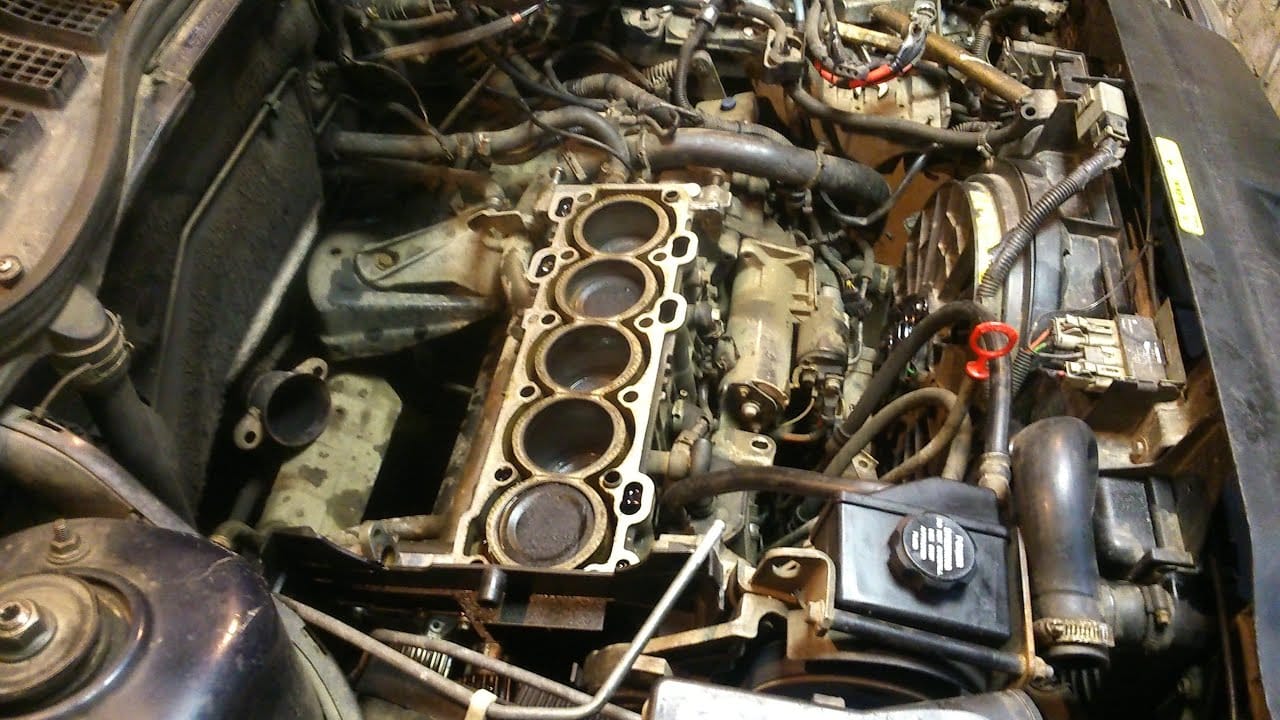
The single most important point for owners and buyers is that severe D5 engine failures are often secondary failures. In plain English, the head, liners, bearings or crankshaft may be the expensive parts that finally fail, but the original trigger is frequently an overheating event, coolant loss event, oil starvation event or repeated operation under abnormal temperature. Industry references on engine overheating are very clear that faulty thermostats, water-pump issues, low coolant, leaking caps, radiator restrictions and head-gasket or cylinder-head leaks are all capable of driving engine temperature beyond safe limits. They are equally clear that severe overheating is a leading cause of cracked cylinder heads and gasket failure.
That is why the phrase “the liner cracked” or “the crankshaft failed” should never be treated as a complete diagnosis by itself. On a used D5, the better question is always: what happened before that? Did the car lose coolant? Did it run hot under load? Was there pressure in the cooling system from cold? Did the heater stop blowing consistently? Did the engine consume coolant without an obvious external leak? Was the oil dirty, diluted or full of metallic particles? Without those questions, people often replace one damaged part and leave the real cause untouched. Then the next failure follows.
Cracked cylinder head on Volvo D5 2.4
A cracked cylinder head is one of the most feared outcomes on any diesel because it quickly turns a repair from inconvenient into expensive. Thermal stress is the core reason. When an engine overheats, the cylinder head expands. When it cools down unevenly, that stress can distort the head, damage the sealing surface or in severe cases create an actual crack. Once that happens, the engine can begin pushing combustion gases into the cooling system, leaking coolant into the cylinders or contaminating oil and coolant. This is why overheating is so often the real story behind “mysterious” coolant loss and recurring pressure in the cooling system.
On a Volvo D5 2.4, owners should treat the following signs seriously: hard coolant hoses shortly after a cold start, unexplained coolant loss, repeated need to top up coolant, overheating under load, poor cabin heat, bubbling in the expansion tank, white smoke, rough starting after standing, and a sweet smell from the exhaust. None of those symptoms automatically prove a cracked head, because a bad cap, air lock, thermostat issue, radiator restriction or EGR-related cooling fault can create similar complaints. But if the engine has already overheated and these symptoms remain, the risk of head-gasket or head damage rises sharply.
For SEO and for real-world diagnosis, this matters because many used-car ads still describe a D5 as “running perfectly” right up until the day the cooling system starts pressurising. A buyer who understands the link between overheating and head damage is much less likely to buy a car with a hidden major engine problem.
Cylinder liner damage and sleeve-related failure on D5 engines
One of the scariest phrases in used Volvo discussions is “liner problem” or “sleeve problem.” On a D5 2.4, liner damage is not the first thing most people should assume, but it belongs in the conversation because once abnormal temperature, detonation-like combustion stress, poor cooling or severe lubrication issues are allowed to continue, the integrity of the cylinder area can be compromised. In practical terms, liner-related failure is usually discussed after an engine has already suffered from overheating, major coolant loss, contamination or prolonged internal distress rather than as a simple first-stage fault.
This is why the smartest approach is preventative. When a D5 begins losing coolant or overheating, the owner should not keep driving until the engine “proves” whether the head, gasket or liners are damaged. The whole point is to stop the chain before the top-end problem becomes a block problem. Severe thermal cycling is exactly the kind of abuse that turns a repairable cooling fault into a major rebuild decision. Sources on overheating diagnosis consistently place fast intervention at the center of prevention because the longer the engine operates outside its normal thermal window, the more internal damage becomes possible.
If you are evaluating a used Volvo D5 2.4 and suspect liner or cylinder-area trouble, look for repeated coolant pressurisation, unexplained coolant disappearance, uneven starting, compression imbalance, persistent white smoke after warm-up and signs that the engine has already been apart. A seller may say “head gasket done,” but the better question is whether the underlying reason for the overheat was ever fixed and whether the block checked out properly afterward.
Crankshaft, rod-bearing and bottom-end damage
When people say “the crankshaft cracked” or “the bottom end went,” they are describing the stage where repair costs often stop making sense for an average used car. In many engines, including high-mileage diesels, bottom-end damage is closely tied to lubrication failure, contaminated oil, excessive heat and prolonged operation after an earlier problem has already started. Low or degraded engine fluid increases friction and heat; aged or poor-quality oil is repeatedly identified by experienced mechanics as a major contributor to bearing trouble, while oil-starved turbo or bearing damage can shed metallic debris into the lubrication system.
On a Volvo D5 2.4, that means an owner should never separate “overheating” from “oil condition.” A D5 that has run hot, mixed coolant with oil, lost oil pressure, suffered from neglected service intervals or circulated metal through the system may later develop bearing knock, low oil pressure, vibration, metallic shavings in the oil or complete bottom-end failure. Even if the crankshaft itself is not literally the first failed part, crank and bearing damage often become part of the end result once lubrication has broken down. That is why an apparently simple overheating story can eventually become a full-engine replacement story.
This is also why buyers should pay attention to the oil filler cap, dipstick condition, service records, warm-idle noise, cold-start rattle and any mention of previous turbo failure. An oil-starved turbo can contaminate the whole system; a neglected lubrication system can turn a strong D5 into a very risky purchase.
Common causes that lead to major D5 engine damage
The reason many people misdiagnose D5 problems is simple: the catastrophic failure is dramatic, but the trigger is often ordinary. A thermostat that sticks closed reduces proper coolant flow. A water pump that cannot circulate coolant properly allows temperature to rise. A leaking radiator, hose, cap or connection slowly lowers coolant level. A clogged radiator reduces cooling efficiency. A failing EGR cooler in diesel applications can also create coolant loss and overheating-type symptoms. These are all the kinds of faults that can start the chain toward head-gasket failure, cracked heads and further internal engine damage if the car keeps being driven.
For D5 owners, that means the phrase “it only overheated once” should never be treated casually. One serious overheat can be enough to distort sealing surfaces or weaken components. Repeated overheating is worse. A cooling issue that appears only under motorway load, towing, uphill driving or hot weather is still a real cooling issue. It is not normal behavior and it should not be explained away as “these cars run warm.”
Volvo models where D5 2.4 problems matter most
From an SEO point of view, it is useful to connect the engine to the models buyers actually search. The D5 2.4 family appeared across major Volvo lines, including the S60, S80, V70, XC70, XC90 and XC60, with additional five-cylinder diesel applications in compact models depending on market and year. That matters because used-car buyers rarely search by engine code alone. They search phrases like “Volvo XC90 D5 overheating,” “Volvo XC60 D5 coolant loss,” “Volvo V70 D5 head gasket,” or “Volvo S60 D5 engine problems.” A strong article should therefore make it clear that the same core warning signs can apply across multiple D5-powered Volvos even if the exact version and output differ.
What symptoms should never be ignored on a Volvo D5 2.4?
The most dangerous D5 engine problems usually do not begin with a loud bang. They begin with warning symptoms that owners decide to postpone. The temperature rising under load, coolant dropping with no visible puddle, pressure building too quickly in the expansion tank, heater output changing, white smoke, a sweet exhaust smell, oil contamination, repeated top-ups, rough cold starts and unexplained misfire after standing are all symptoms that deserve immediate diagnosis. When lubrication is also compromised, metallic particles in oil, abnormal knocking, low oil pressure warnings and harsh mechanical noise move the situation into a much more urgent category.
The reason this matters so much is simple: people often look for proof of major failure before authorising diagnosis. That is backwards thinking. By the time a cracked head or bearing damage is “obvious,” the repair bill is already much higher. The goal is to catch the D5 at the cooling-system stage, not the engine-rebuild stage.
Is every Volvo D5 2.4 a bad engine?
No. That would be the wrong conclusion. The Volvo D5 became popular precisely because it offered strong performance and long-distance usability, and Volvo continued refining the five-cylinder diesel over many years. The smarter conclusion is that the D5 is a strong engine that becomes expensive when owners ignore temperature control, coolant loss and lubrication quality. A healthy D5 with correct servicing, no overheating history and a clean cooling system can still be a very good diesel. A neglected one can become one of the costliest used-engine mistakes in the Volvo world.
Final verdict: the real D5 problem is not one part, but one failure chain
If you want to help people and rank well, this is the most honest conclusion to publish: the biggest Volvo D5 2.4 diesel problems are not just “a bad thermostat,” “a cracked head,” “damaged liners” or “a failed crankshaft” taken separately. The real problem is the progression from small cooling or lubrication faults to major engine failure. Thermostat issues, coolant leaks, water-pump problems, cap failure, radiator restriction, EGR-cooling faults or ignored temperature warnings can begin the process. Overheating then threatens the head gasket and cylinder head. Continued driving increases the chance of deeper internal damage. Once oil contamination, oil starvation or bearing distress enters the story, the cost rises sharply.
That is why the best advice for Volvo D5 2.4 owners is brutally simple: never normalize coolant loss, never ignore overheating under load, never postpone pressure testing, never assume “it’s only a sensor,” and never buy a used D5 just because it sounds smooth for five minutes on a cold driveway. The right diagnosis done early can save the engine. The wrong attitude can turn a great five-cylinder diesel into a cracked-head, liner-damage or bottom-end-failure story very quickly.
| Problem / Symptom | Likely Cause | Why It Is Dangerous | Recommended Solution |
|---|---|---|---|
| Engine overheating in traffic or under load | Faulty thermostat, weak water pump, clogged radiator, low coolant | Can quickly lead to head-gasket failure, warped head or cracked cylinder head | Pressure-test the cooling system, check thermostat opening temperature, inspect radiator flow and verify pump condition |
| Coolant loss with no obvious external leak | Head-gasket leak, cracked head, EGR cooler issue, expansion tank cap problem | Coolant loss can trigger overheating and hidden internal engine damage | Perform CO2 test, inspect EGR-related cooling parts, test cap pressure, inspect for combustion gases in coolant |
| Hard coolant hoses soon after cold start | Combustion gases entering cooling system | Strong warning sign of head-gasket failure or cracked head | Stop driving, perform combustion leak test and compression-related diagnostics |
| White smoke and sweet smell from exhaust | Coolant entering combustion chamber | May indicate serious top-end damage and risk of hydro-lock or further overheating | Inspect for coolant intrusion, check glow plugs/injectors, test head gasket and cylinder head integrity |
| Milky oil or oil contamination | Coolant mixing with oil due to head-gasket or head damage | Destroys lubrication and can lead to bearing and crankshaft damage | Do not continue driving; inspect bearings, oil cooler path, head gasket and cylinder head |
| Metal particles in oil or sump | Bearing wear, oil starvation, turbo debris, bottom-end damage | Can end in crankshaft damage or total engine failure | Drop sump, inspect rod/main bearings, inspect turbo and oil feed, measure oil pressure before restart |
| Knocking from lower engine | Rod-bearing wear, oil starvation, bottom-end distress | Fast route to crankshaft and connecting-rod damage | Shut engine down immediately and inspect lubrication system and bearing condition |
| Repeated overheating after replacing one part | Root cause not found: trapped gases, blocked radiator, failing head gasket, cooling-system weakness | Repeated heat cycles increase the chance of cracked head and liner-area damage | Carry out full system diagnosis instead of replacing parts blindly |
| Poor heater performance plus coolant loss | Air in cooling system, low coolant, internal leak, failing pump circulation | Often an early warning before major overheating | Bleed system correctly, pressure-test, inspect heater circuit and identify source of coolant loss |
 AutoScandi Team